
Introduction: The Sleepless Epidemic
Insomnia and disturbed sleep cycles have become the norm in our fast-paced, tech-driven lives. According to a 2023 study by the Indian Sleep Society, nearly 33% of urban Indians suffer from insomnia or other sleep-related disorders. Globally, the numbers are even more alarming. The World Health Organization (WHO) estimates that over 45% of the world’s population struggles with sleep disorders.
While modern medicine offers temporary solutions through sleep-inducing drugs, these often come with side effects like dependency, grogginess, and hormonal imbalances. Ayurveda, India’s 5,000-year-old traditional healing science, provides a safer, holistic, and sustainable route to sound sleep using time-tested herbs backed by modern scientific validation.
In this blog, we’ll explore the top Ayurvedic herbs for better sleep, explain how they work, and present scientific evidence to help you sleep smarter naturally.
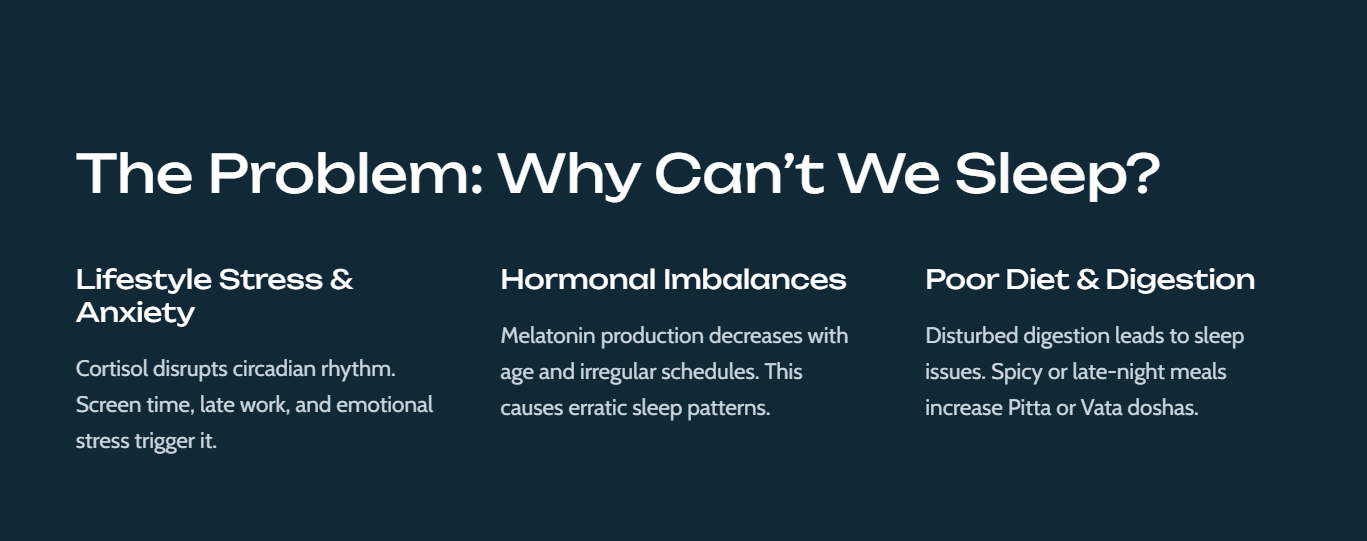
The Problem: Why Can’t We Sleep?
🔹 Lifestyle Stress & Anxiety
Cortisol, the stress hormone, is one of the biggest disruptors of circadian rhythm, especially when triggered by screen time, late-night work, and emotional stress.
🔹 Hormonal Imbalances
Melatonin (the sleep hormone) production decreases with age, irregular schedules, and stress, causing erratic sleep patterns.
🔹 Poor Diet & Digestion
Ayurveda emphasizes that a disturbed digestive system leads to sleep issues. Spicy, oily, or late-night meals can increase Pitta or Vata doshas, disrupting the mind-body balance required for restful sleep.
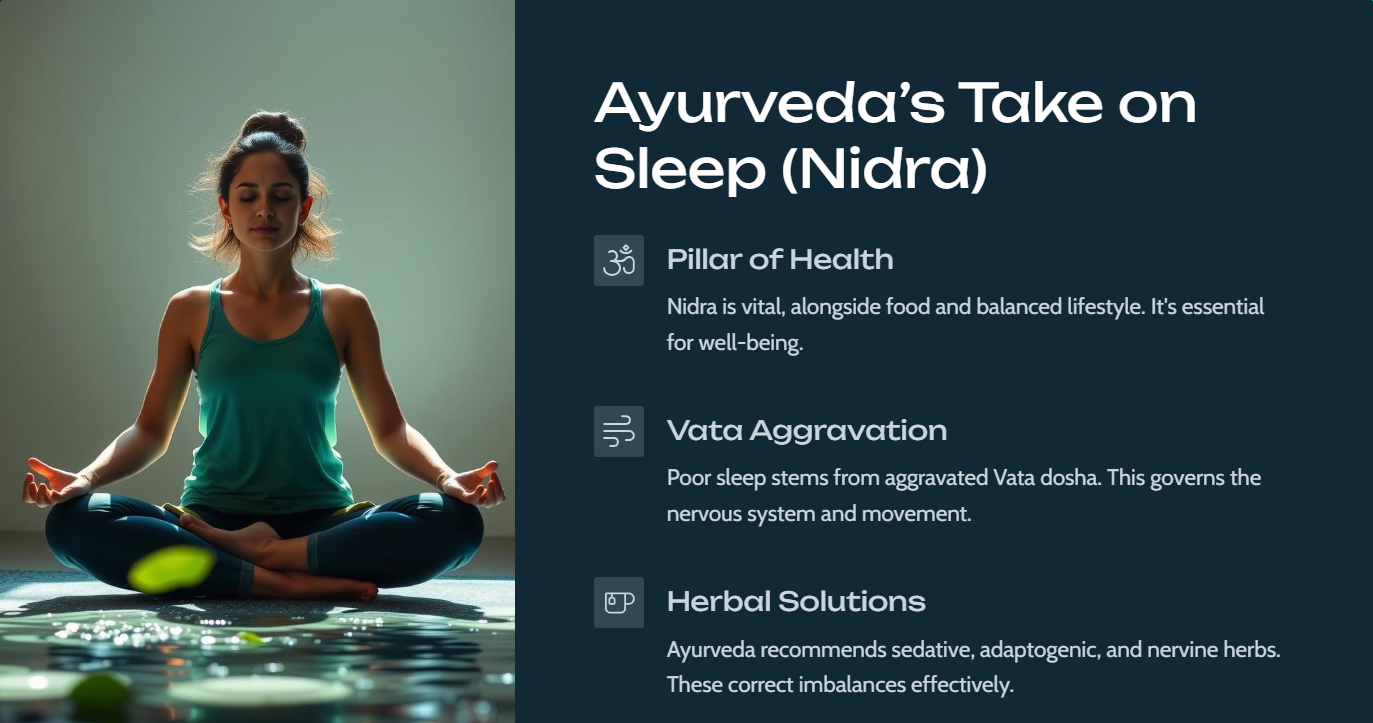
Ayurveda’s Take on Sleep (Nidra)
In Ayurvedic philosophy, “Nidra” is considered one of the three pillars of health, along with Ahara (food) and Brahmacharya (balanced lifestyle). Poor sleep (Anidra) is believed to be caused by the aggravation of Vata dosha, which governs the nervous system and movement in the body.
To correct this imbalance, Ayurveda recommends herbs with sedative, adaptogenic, and nervine properties.
Science-Backed Ayurvedic Herbs for Better Sleep
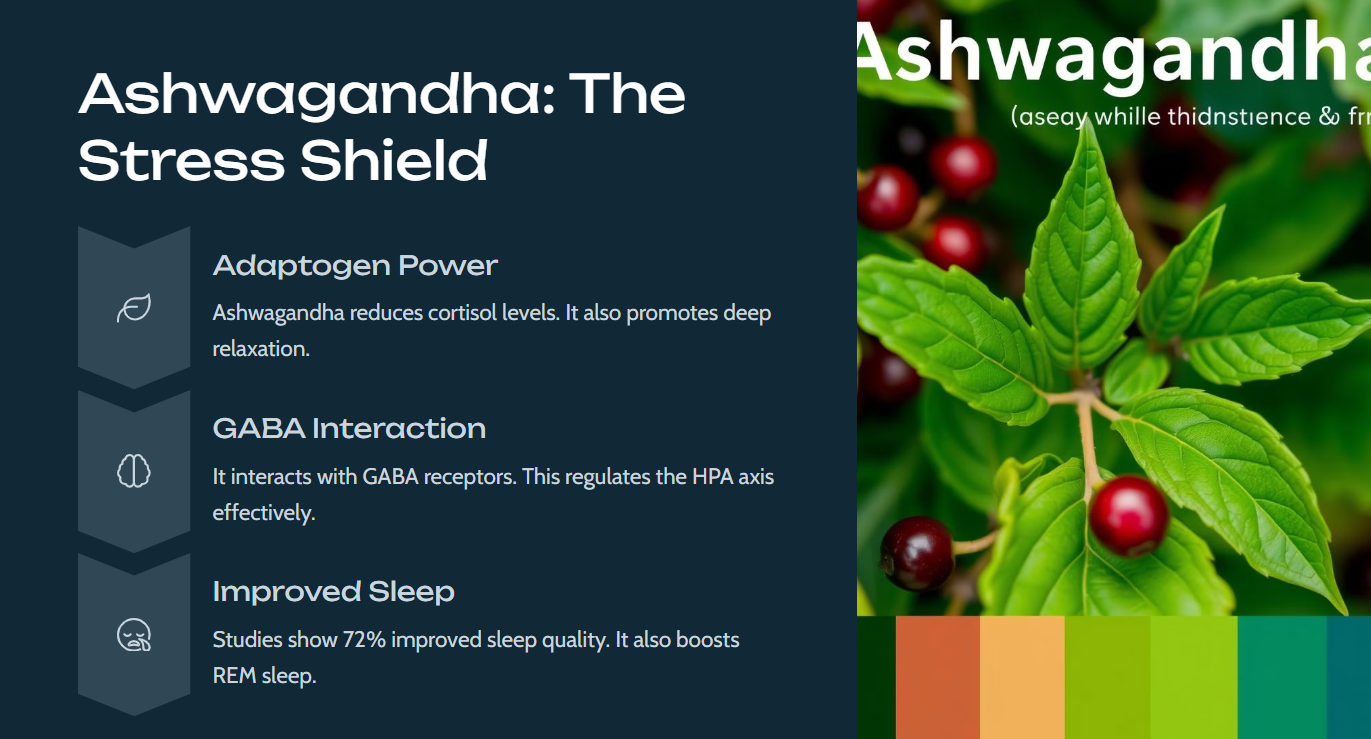
🌿 1. Ashwagandha (Withania somnifera) – The Stress Shield
Ashwagandha is a well-known adaptogen that reduces cortisol levels and promotes relaxation.
✅ Science Speaks:
- A 2019 double-blind study published in Cureus showed that 300 mg of Ashwagandha extract taken twice daily for 10 weeks improved sleep quality by 72% in adults with insomnia.
- It also reduces sleep latency (time taken to fall asleep) and boosts REM sleep.
🧠 How it works:
Ashwagandha interacts with GABA receptors and regulates the hypothalamic-pituitary-adrenal (HPA) axis, promoting relaxation and a sense of calm.
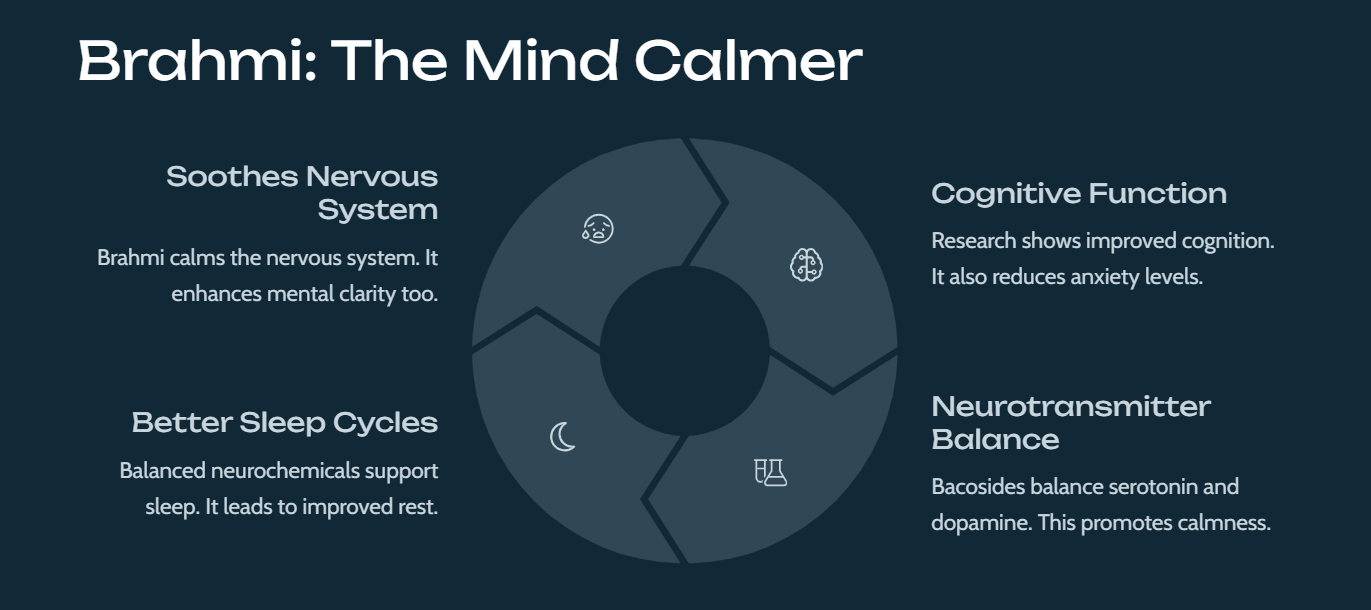
🌿 2. Brahmi (Bacopa monnieri) – The Mind Calmer
Brahmi has long been used in Ayurvedic medicine to soothe the nervous system and enhance mental clarity.
✅ Science Speaks:
- Research in Phytotherapy Research Journal shows that Brahmi improves cognitive function and reduces anxiety, two key factors affecting sleep.
- It reduces levels of acetylcholine, a neurotransmitter involved in overactive thinking and dreaming.
🧠 How it works:
Its neuroprotective compounds — bacosides — help balance serotonin and dopamine, promoting calmness and better sleep cycles.
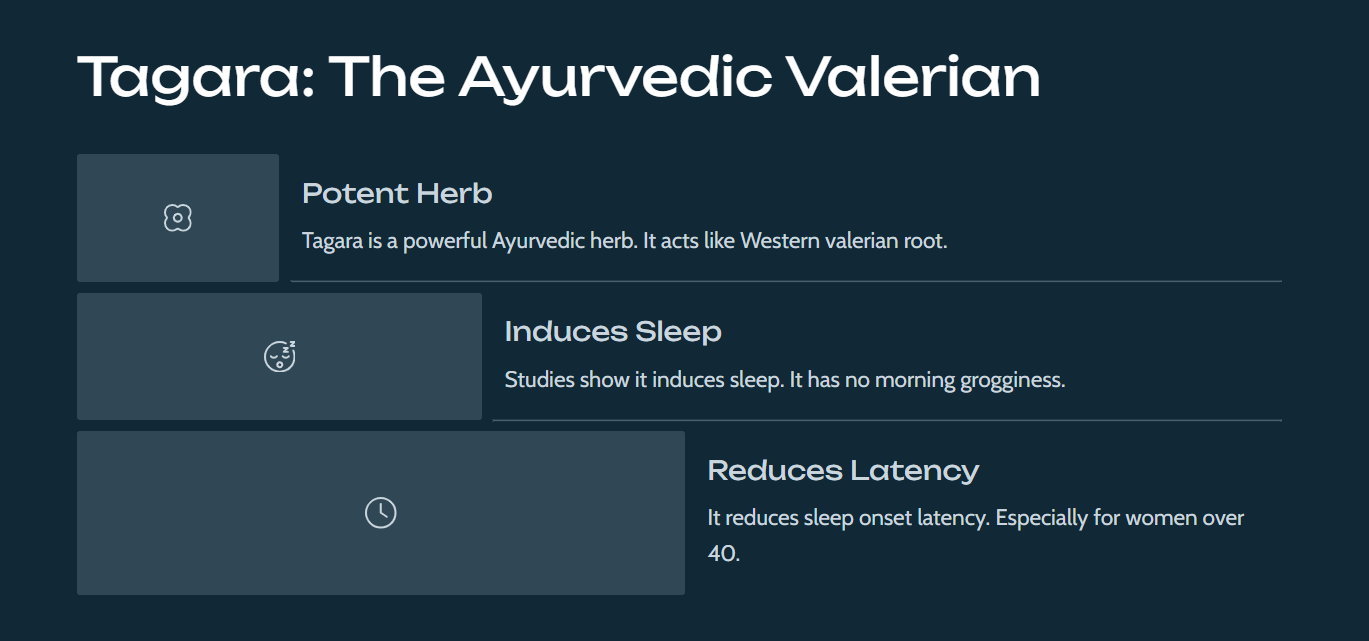
🌿 3. Tagara (Valeriana wallichii) – The Ayurvedic Valerian
Tagara, a lesser-known but potent Ayurvedic herb, works similarly to Western valerian root.
✅ Science Speaks:
- Studies published in the Journal of Ethnopharmacology show that Tagara extracts can induce sleep without side effects like morning grogginess.
- It reduces sleep onset latency by up to 35%, especially in women over 40.
🧠 How it works:
Tagara contains valepotriates and essential oils that mimic GABAergic activity in the brain, slowing down nerve activity and reducing anxiety.
🌿 4. Jatamansi (Nardostachys jatamansi) – The Tranquilizer Root
This aromatic herb is prized for its grounding and sedative effects, especially in Pitta- and Vata-dominant individuals.
✅ Science Speaks:
- A clinical trial in Ayu Journal showed that Jatamansi oil applied to the scalp or temples reduced anxiety and improved sleep onset by 48%.
- It has shown promising results in improving deep sleep (non-REM).
🧠 How it works:
Its nervine tonic properties relax the heart and brain, lower blood pressure, and induce deep restorative sleep.

🌿 5. Shankhpushpi (Convolvulus pluricaulis) – The Cognitive Tonic
Used traditionally to calm hyperactive thoughts, Shankhpushpi is ideal for people who struggle with racing minds at night.
✅ Science Speaks:
- The Indian Journal of Psychiatry highlighted that Shankhpushpi has anxiolytic and anticonvulsant properties, promoting emotional balance.
- Regular consumption for 30 days improved sleep efficiency by over 50% in patients with mild anxiety.
🧠 How it works:
It acts as a brain tonic, supporting the parasympathetic nervous system and promoting natural relaxation.

Ayurvedic Sleep Rituals to Enhance Herb Effectiveness
Incorporating these herbs is powerful, but Ayurveda also emphasizes daily rituals (dinacharya) to complement their effects:
🕯️ Abhyanga (Oil Massage)
Apply warm sesame or Brahmi oil on the scalp and soles before bed to ground the Vata dosha.
🛁 Warm Herbal Bath
Soak in a warm bath infused with lavender, chamomile, or jatamansi oils to relax the nervous system.
🫖 Herbal Tea
Sip herbal infusions made with Ashwagandha, Tagara, and Brahmi 30–60 minutes before sleep.
📵 Digital Detox
Avoid screens at least 1 hour before bedtime to prevent melatonin suppression from blue light.

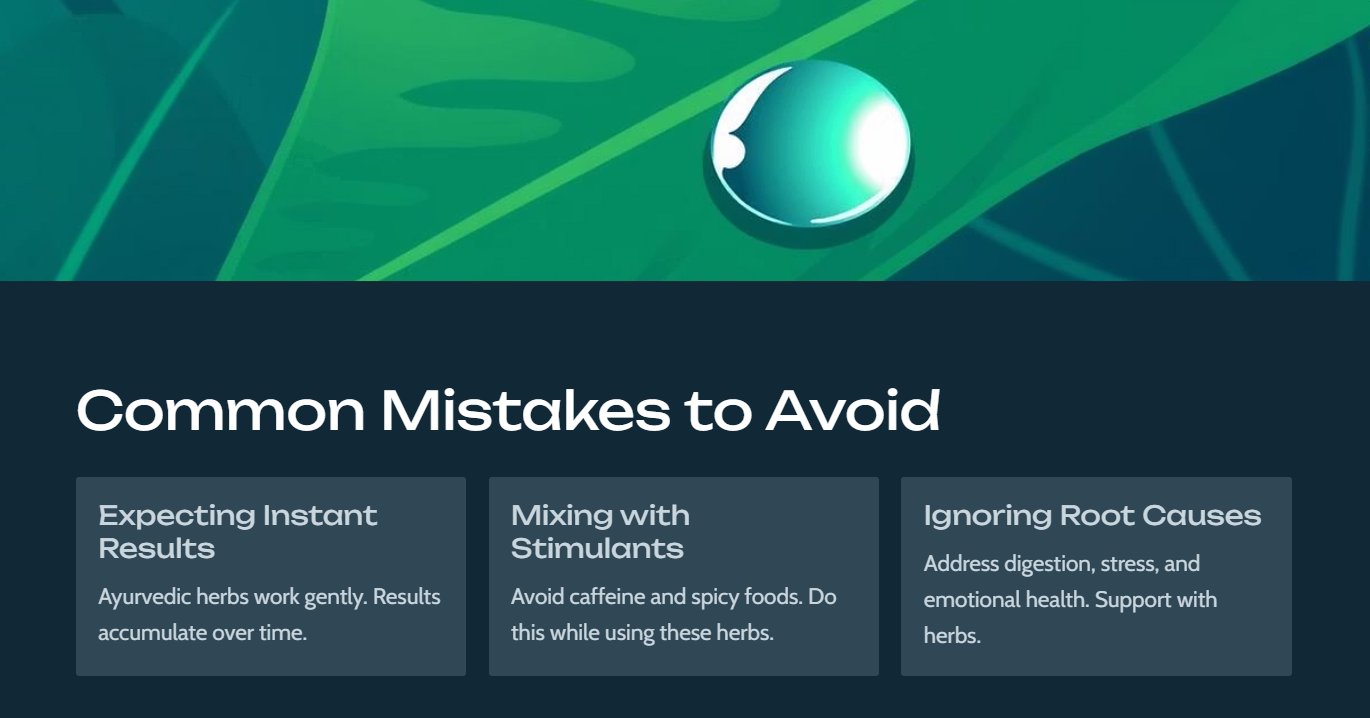
Common Mistakes to Avoid
- Expecting Instant Results – Ayurvedic herbs work gently and cumulatively over time.
- Mixing with Stimulants – Avoid caffeine or spicy foods when using these herbs.
- Ignoring Root Causes – Address digestive issues, stress, and emotional health alongside herbal support.
Conclusion: Sleep, the Ayurvedic Way
Insomnia is not just a disorder it’s a symptom of deeper imbalances in the body and mind. Ayurvedic herbs like Ashwagandha, Brahmi, Tagara, Jatamansi, and Shankhpushpi offer safe, non-addictive, and scientifically supported solutions for better sleep. Unlike conventional pills, they restore balance to the whole system, ensuring long-term sleep health.
Whether you’re a busy professional, a student, or someone in midlife seeking more restful nights Ayurveda has a gentle yet powerful answer for you.